
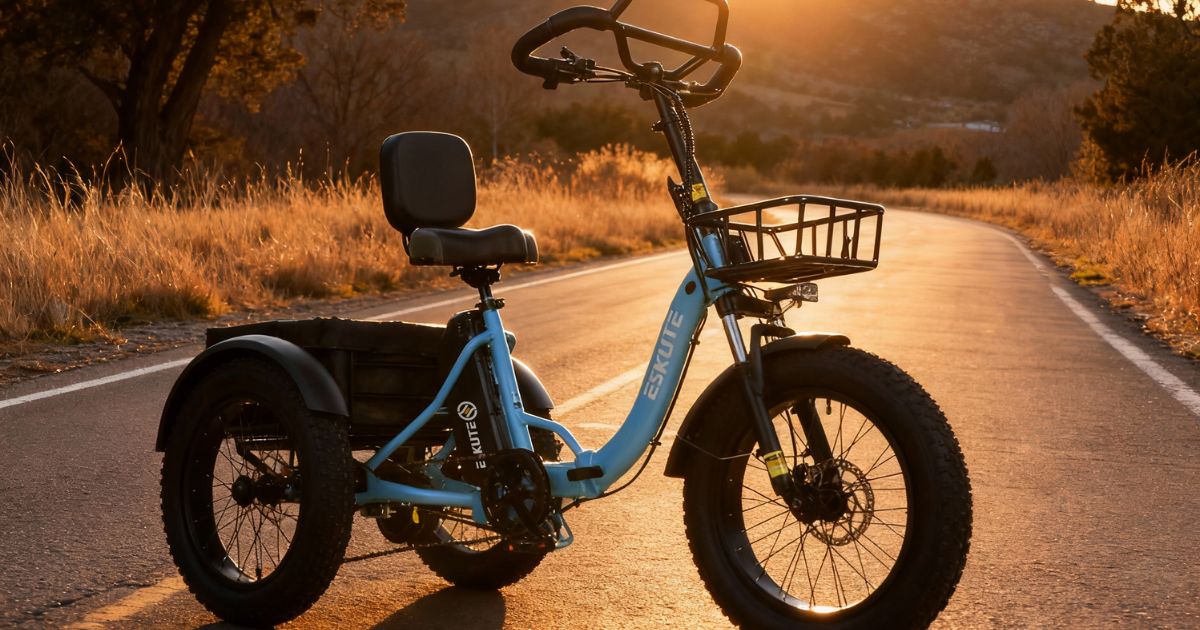
Owning an electric trike is a genuinely rewarding experience, but keeping it in good shape takes a little consistent effort. The good news is that most maintenance tasks are straightforward and take only a few minutes. This article walks through the key areas to focus on, from battery care to drivetrain health, so your electric trike stays reliable ride after ride.
How Battery Care Directly Affects Your Range and Longevity
The battery is the heart of any electric trike. How you treat it day to day has a bigger impact on long-term performance than almost anything else. Many riders overlook this until they notice a drop in range, but a few simple habits can prevent that entirely.
Charge in a Stable Environment
Avoid charging in extreme heat or freezing cold. Lithium batteries perform best between 50°F and 77°F (10°C to 25°C). Charging in a garage during winter or in direct sunlight during summer can gradually degrade the cells.
If your trike has a removable battery, take it indoors to charge. This is a practical advantage that many riders appreciate, especially in apartments or homes without a dedicated garage. Indoor charging keeps the battery at a stable temperature and away from moisture.
Avoid Draining It Completely
Try to recharge before the battery drops below 20%. Deep discharges put extra stress on lithium cells over time. Similarly, avoid leaving it at 100% charge for extended periods if you won’t be riding for several days. Storing it around 50–80% is generally better for long-term cell health.
Keep a Spare Battery in Mind
Some folding electric trikes support a second spare battery, which effectively doubles your range. This is especially useful for longer commutes or touring rides where charging stops are inconvenient.
What to Check on Your Tires Before Every Ride
Tires are your only contact with the road, and they deserve attention before each outing. This is one of the quickest checks you can do, and it makes a real difference in both safety and efficiency.
Tire Pressure
Check pressure with a reliable gauge. Underinflated tires increase rolling resistance, drain your battery faster, and make the trike feel sluggish. Overinflated tires reduce grip and make the ride harsh. The recommended pressure is usually printed on the tire sidewall.
Visual Inspection
Spend 30 seconds looking at each tire before you ride. Look for:
- Cuts, cracks, or embedded debris
- Uneven wear patterns
- Any visible bulging on the sidewall
Catching a small cut early can prevent a flat mid-ride. On wide tires, like the 4.0-inch fat tires found on some folding electric trikes, the larger contact patch means debris can sometimes hide in the tread grooves, so a quick look goes a long way.
Keeping the Drivetrain Clean and Functional
The drivetrain includes the chain, gears, pedals, and the axle system. Keeping these parts clean and lubricated is one of the most effective ways to extend the life of your trike.
Chain Cleaning and Lubrication
A dirty chain wears out faster and transfers that wear to your sprockets. Wipe the chain down with a dry cloth after muddy or wet rides. Apply a light coat of bicycle chain lubricant every 100–150 miles, or more frequently in wet conditions. Avoid over-lubricating, as excess oil attracts grit.
The Role of the Differential
Some electric trikes use a rear differential rather than a solid axle. This is worth knowing because it changes how you should think about maintenance. A differential allows the two rear wheels to rotate at different speeds during turns. This reduces stress on the drivetrain significantly, especially on corners where a rigid axle would force both wheels to travel the same arc.
With a differential, you’re less likely to experience binding or premature wear on the axle components. Still, it’s worth checking for any unusual sounds during turns, which can indicate wear, misalignment, or lubrication issues.

A great example of this in practice is the Eskute T300 and T300 Pro, both of which are equipped with a rear differential as standard. The result is a noticeably tighter turning radius and a smooth, controlled feel through corners, without the drivetrain stress that a solid axle would generate. Over time, this design helps minimize wear on rear axle components, contributing to a longer overall lifespan for the drivetrain.

Pedal and Crank Check
Give the pedals a spin by hand every few weeks. They should rotate smoothly with no grinding or wobbling. Tighten any loose crank bolts before they cause bigger problems. A loose crank can damage the bottom bracket quickly if left unchecked.
Brake Maintenance for Consistent Stopping Power
Brakes on an electric trike need more attention than on a regular bicycle, simply because the combined weight of the rider and motor system is higher. Good braking habits and regular checks keep you safe.
Pad Wear
Check your brake pads every month or so. Most pads have a wear indicator line. Once the pad material wears down to that line, replace them. Worn pads reduce stopping power and can damage the rotor or rim.
Cable and Hydraulic Line Checks
For cable brakes, check that the cables move freely and aren’t frayed near the lever or at the caliper. A frayed cable can snap without warning. For hydraulic brakes, look for any signs of fluid leakage around the hose connections. Hydraulic systems generally require less frequent adjustment but should be bled periodically to maintain firm lever feel.
Brake Alignment
After a few hundred miles, brake calipers can shift slightly out of alignment. If you hear a rubbing sound when coasting, the caliper may be touching the rotor. Most calipers have adjustment bolts that let you re-center them in a few minutes.
Protecting the Frame and Electrical Components From the Elements
Weather is one of the more overlooked factors in electric trike maintenance. Moisture, road salt, and UV exposure can all cause gradual damage if you’re not careful.
Folding and Indoor Storage
If your trike is foldable, folding it and storing it indoors during rain or snow is one of the simplest protective measures available. Leaving any electric vehicle outside in wet weather for extended periods risks water ingress into connectors and motor housing, even on well-sealed models. A folding design makes it practical to bring the trike into an apartment, hallway, or garage without much hassle.
Connector and Wiring Care
After wet rides, wipe down the battery connector port and any exposed wiring. A small amount of dielectric grease on connectors helps repel moisture. Check that no wires are rubbing against moving parts, as vibration can wear through insulation over time.
Frame Wipe-Down
A quick wipe with a damp cloth after each ride removes road grime and salt before they can work into joints or scratches. For painted frames, a light coat of car wax a couple of times a year adds a protective layer.
A Simple Maintenance Schedule to Follow
Keeping track of what to check and when makes the whole process feel less overwhelming. Here’s a practical overview:
|
Frequency |
Task |
|
Before every ride |
Tire pressure, visual tire check, brake lever feel |
|
Weekly |
Chain cleanliness, connector wipe-down, bolt check |
|
Monthly |
Brake pad wear, cable condition, spoke tension |
|
Every 3 months |
Full drivetrain clean and lube, differential check |
|
Annually |
Battery health assessment, brake bleed (hydraulic), full inspection |
This schedule works well for riders who use their trike regularly. Occasional riders can stretch some intervals slightly, but the pre-ride checks should remain consistent regardless.
Knowing When to Seek Professional Support
Even with good habits, some issues are better handled by a professional or through the manufacturer’s support channels. Motor faults, battery management system errors, and electrical issues generally fall into this category.
Many electric trike bike owners find that having access to reliable after-sales support makes a real difference. The Eskute T300 and T300 Pro folding electric trikes, for example, come with a one-year warranty and 24/7 customer support via phone and email. Replacement parts are also available directly, which means you’re not left waiting weeks for a component if something needs replacing.

After-sales support is one of the most important things to look for when choosing an electric trike. The Eskute T300 and T300 Pro are popular among older riders in the United States, and many have left detailed, honest reviews that can help you decide which model is right for you. A trike that's easy to maintain and backed by good support will serve you far better in the long run.
Ride More, Worry Less
Consistent maintenance doesn’t have to be complicated. A few minutes before each ride, a monthly check of the brakes and drivetrain, and proper battery care will keep your electric trike performing well for years. Small habits compound into big savings on repairs and a much more enjoyable riding experience. Start with the basics, build a routine, and your trike will reward you with smooth, reliable rides every time.

FAQs
Q1: How Often Should You Charge an Electric Trike Battery?
Charge it whenever it drops to around 20–30%. There’s no need to wait for a full discharge, and doing so can actually shorten battery life over time. For everyday riders, a top-up charge every one to two days is typical. If you’re storing the trike for more than a week, keep the battery at around 50–80% rather than fully charged or fully empty.
Q2: What Happens If You Ride an Electric Trike in the Rain?
Most electric trikes can handle light rain without issue, as the electrical components are generally sealed to a reasonable degree. That said, prolonged exposure to heavy rain or standing water increases the risk of moisture reaching connectors and motor internals. The Eskute T300 and T300 Pro are rated IP54, meaning they can handle light to moderate rain and are suitable for riding on wet or puddled surfaces. After a wet ride, wipe down the battery port and exposed connectors. If your trike is foldable, bringing it indoors afterward is the simplest way to protect it from ongoing moisture exposure.
Q3: How Do You Know When the Brake Pads Need Replacing?
Replace them when the pad material wears down to the indicator line, or when you notice a significant increase in stopping distance. Some riders also hear a metallic scraping sound, which usually means the pad has worn through and the backing plate is contacting the rotor. At that point, replacement is urgent, as riding further can damage the rotor itself.
Q4: Is a Differential Axle Better Than a Solid Axle on an Electric Trike?
A differential axle generally offers better drivetrain longevity, especially for riders who take turns frequently or ride on varied terrain. A solid axle forces both rear wheels to rotate at the same speed, which creates binding and extra stress during cornering. A differential allows each wheel to turn at its own rate, reducing wear on the axle and improving handling. For daily use, this can meaningfully extend the life of the rear drivetrain components.
Q5: Can You Extend the Range of an Electric Trike Without Upgrading the Motor?
Yes, several practical steps can help. Keeping tires properly inflated reduces rolling resistance noticeably. Riding at moderate speeds rather than full throttle conserves battery significantly. Using pedal assist instead of pure throttle also stretches range. On some models, carrying a spare battery is the most direct way to double your effective range without any modifications to the trike itself.


Share:
How to Load an Electric Tricycle for Fishing Trips Without Mess or Wobble
The $0 Habit That Prevents Costly Electric Trike Breakdowns