
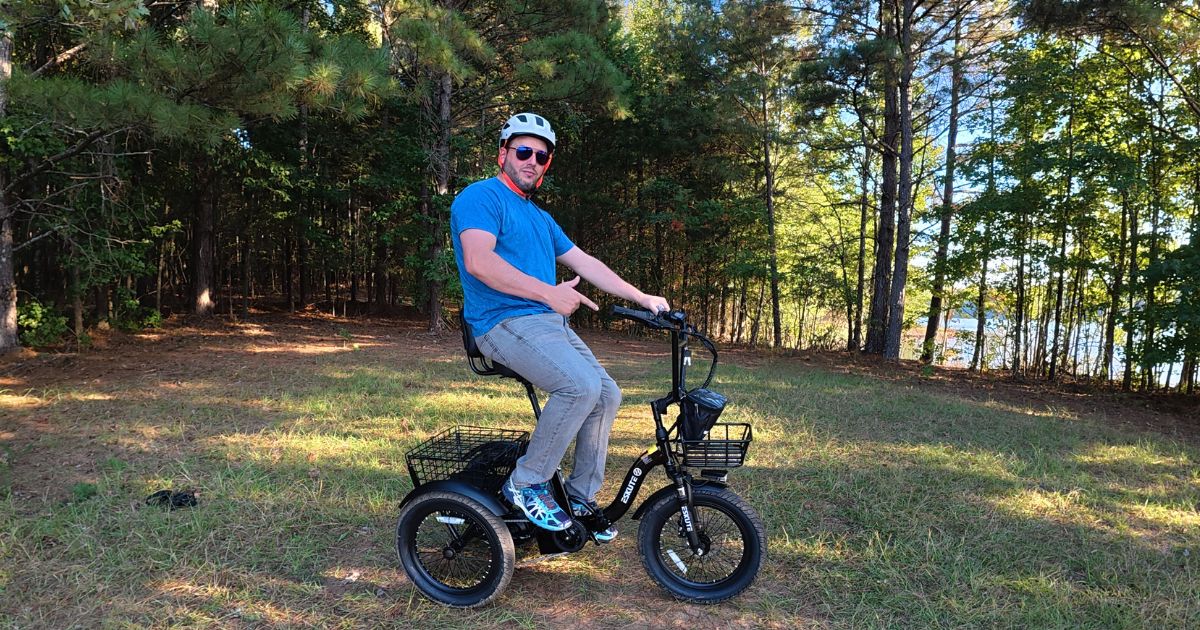
Owning an electric trike is a great way to get around, whether you use it for commuting, errands, or weekend rides. Like any vehicle, it needs regular attention to stay reliable and safe. The good news is that most maintenance tasks are simple and take only a few minutes. Staying consistent keeps your electric trike bike performing well for longer.
Why Consistent Maintenance Keeps Your Electric Trike Running Well
Building good maintenance habits is one of the most practical things you can do as a trike owner. Small issues, left unchecked, tend to grow into bigger, more expensive problems. A loose bolt, a low tire, or a dirty chain might seem minor, but each one can affect performance and safety over time.
The goal is consistency, not perfection. Spending five to ten minutes after each ride can save hours of repair work later.
Spot Problems Early
A quick visual check before or after each ride is often enough to catch issues before they become serious. Look for cracks in the frame, frayed cables, or anything that seems out of place. If something looks off, deal with it sooner rather than later.
Keep a Simple Log
Tracking your maintenance does not need to be complicated. A phone note listing the date, mileage, and what you checked or replaced helps you stay organized. This also comes in handy when browsing electric trike bike reviews to compare accessories or spare parts.
Battery Care Tips That Help Your Electric Trike Last Longer
The battery is one of the most important, and most expensive, parts of any electric trike. Taking care of it properly can significantly extend its useful life.
Charging Habits That Protect Battery Health
Avoid letting the battery drop to zero on a regular basis. Partial charges, typically between 20% and 80%, tend to be gentler on long-term battery health. Always use the charger that came with your trike, and avoid leaving the battery plugged in overnight once it is already full.
Storage and Temperature
Both heat and cold affect battery performance. In winter, store the battery indoors rather than leaving it outside in freezing temperatures. In summer, avoid parking your trike in direct sunlight for extended periods.
If your electric trike has a removable battery, this becomes much easier to manage. You can bring it inside to charge, protect it from the elements, and even swap in a spare for extra range.

Tire and Brake Checks You Should Do Regularly
Tires and brakes are your main contact points with the road. Keeping them in good condition matters a great deal for safety and ride quality.
Tire Pressure and Condition
Check tire pressure at least once a week. Under-inflated tires create more rolling resistance, drain the battery faster, and make steering feel sluggish. Over-inflated tires reduce grip, especially on wet surfaces. The recommended pressure range is printed on the tire sidewall.
Also look for visible wear, cuts, or embedded debris. Replace tires showing significant wear before they cause a puncture mid-ride.
Brake Performance
Test your brakes at the start of each ride. They should engage firmly without requiring excessive force. If they feel spongy, loose, or make unusual sounds, check the brake pads and cables. Worn pads should be replaced without delay. Cable-actuated brakes may also need occasional tension adjustments to stay responsive.
Cleaning and Protecting Your Electric Trike After Each Ride
Dirt, mud, and moisture are the main enemies of your trike's components. Regular cleaning prevents corrosion and keeps everything moving freely.
After a wet or muddy ride, wipe down the frame, chain, and electrical connectors with a dry cloth. Avoid spraying water directly at the motor, battery port, or display unit. Use a mild cleaner for the frame and a dedicated chain lubricant for the drivetrain.
Cleaning After Wet Rides
Pay close attention to the connectors and joints when cleaning after rain. Moisture trapped in these areas can lead to corrosion over time. A light coating of appropriate protective spray on metal parts can help, particularly during winter months.
Folding Trikes and Weather Protection
A foldable electric trike offers a practical advantage in bad weather. You can fold it and bring it indoors, keeping it away from rain and snow. Leaving any trike outside in wet conditions for extended periods accelerates rust, corrodes connectors, and shortens the lifespan of cables and brakes.
Drivetrain and Motor Maintenance for Long-Term Reliability
The drivetrain connects your pedaling effort and motor power to the wheels. Keeping it clean and lubricated ensures efficient power transfer and reduces wear.
Chain and Differential Care
Lubricate the chain every 100 to 200 miles, or more frequently in wet conditions. Wipe off any excess lubricant after applying it to avoid attracting grime.
Some electric trikes use a differential, which distributes power between the rear wheels more evenly during turns. This reduces stress on the drive shaft and extends its life. If your trike has a differential, refer to the manual for maintenance intervals specific to that component.
Motor and Electrical Connections
The motor itself generally needs little attention. That said, it is worth checking the wiring and connectors periodically for signs of wear, corrosion, or looseness. Keep connections clean and dry to maintain reliable performance.
A Practical Maintenance Schedule to Reference
Here is a simple schedule that covers the most important tasks:
|
Frequency |
Task |
|
Before each ride |
Check tire pressure, test brakes, scan for visible damage |
|
After each ride |
Wipe down frame, dry connectors if wet |
|
Weekly |
Check battery level, inspect chain, test lights |
|
Monthly |
Lubricate chain, check brake pad wear, tighten bolts |
|
Every 6 months |
Full inspection, check cables, review battery health |
Adjust this based on how often you ride and the conditions you typically encounter.
How the Eskute T300 and T300 Pro Make Maintenance More Manageable
Some trikes are designed with everyday practicality in mind. The Eskute T300 and T300 Pro come built with features that make upkeep simpler, safer, and less expensive over time.

Removable Battery: Charge Anywhere, Protect What Matters Most
No need to haul the entire trike to an outlet. Simply pop out the battery and bring it inside, whether to your kitchen counter, home office, or bedside, for a full charge in comfort. Keeping the battery indoors also shields it from freezing winters and scorching summer heat, both of which quietly degrade battery cells over time. The result is a longer battery lifespan and more savings in the long run.
Built-In Differential: Stability You Can Feel on Every Turn
When you lean into a corner, the differential automatically balances power between the rear wheels, keeping all three wheels firmly planted on the ground. This significantly reduces the risk of tipping or skidding mid-turn, a reassuring safety advantage especially on uneven roads or sharper bends. Less mechanical stress on the drivetrain also means fewer wear-related repairs down the road.
Foldable Frame: Fits Your Life, Not Just Your Garage
Done riding? Fold it down in seconds and tuck it onto your apartment balcony, slide it into a car trunk for a weekend trip, or roll it into a hallway closet without blocking the door. No dedicated storage space required. Keeping the trike sheltered also means less exposure to rain, rust, and cable corrosion, all of which add up to real maintenance savings.
Warranty, Parts and Support: Backed When It Counts
Both models come with a one-year warranty, with spare parts available directly from Eskute. If something does go wrong, around-the-clock customer support is reachable by email and phone, so you are never left figuring it out alone.

Keep Your Trike Rolling
Maintaining your electric trike does not take much time or expertise. A few minutes of daily attention, paired with a monthly check-in, prevents most problems before they start. Focus on the basics first: battery, tires, brakes, and cleaning. If you are looking for a trike with features that make upkeep easier, the Eskute T300 and T300 Pro are worth a closer look.

FAQs
Q1: How Often Should You Charge Your Electric Trike Battery?
Charge it regularly, but avoid draining it to zero each time. Keeping the battery between 20% and 80% for daily use is a reasonable approach. If storing the trike for a few weeks or more, charge to around 50% before putting it away. A removable battery makes all of this much more convenient.
Q2: What Is the Most Important Daily Maintenance Task for an Electric Trike Bike?
Checking tire pressure is the most impactful daily habit. It takes under a minute and directly affects ride quality, battery efficiency, and safety. A quick visual scan of the brakes and frame before each ride covers most of what you need on a day-to-day basis.
Q3: How Do You Protect an Electric Trike in Bad Weather?
Store it indoors whenever possible. A foldable model makes this far more practical, fitting into a hallway or garage corner without taking up much space. If outdoor storage is unavoidable, use a waterproof cover and pay special attention to protecting the battery port and electrical connectors from moisture.
Q4: Do Electric Trikes Require Professional Servicing?
Most routine maintenance can be handled at home without special tools. Cleaning, lubricating the chain, checking tire pressure, and adjusting brake tension are all manageable for most riders. For more complex issues, such as motor faults or electrical problems, contacting the manufacturer's support team directly is usually the best first step.


Share:
Simple Daily Maintenance Tips to Keep Your Electric Trike Running Smoothly
Why Loaded Trikes Tip Over in Corners and How to Make Sure Yours Does Not