
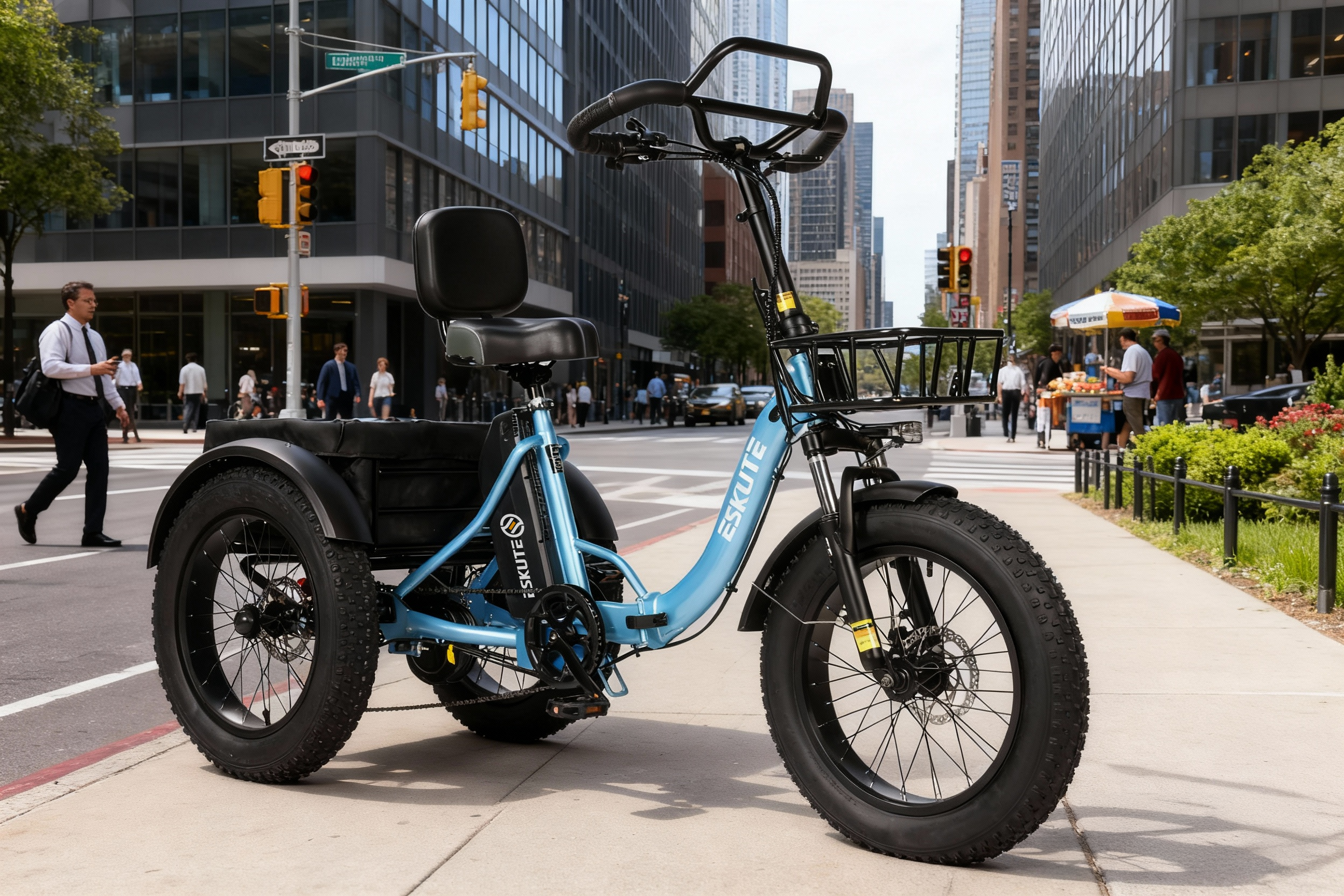
When you're a bigger rider shopping for an electric trike, the stakes are higher. You need something that won't just work but will keep you safe and comfortable mile after mile. The key things to check are weight capacity, frame strength, fat tires for stability, and a solid braking system. Let's break down exactly what matters so you can ride with confidence.
What Makes the Most Stable Electric Trike for Bigger Riders?
Stability isn't just a nice-to-have when you're carrying extra weight. It's the foundation of a safe ride. Here's what actually creates a stable electric trike.
Frame Structure and Materials
The frame is everything. If you weigh over 250 pounds (around 113 kg), steel is preferable to aluminum. Steel frames can handle more stress without bending or cracking. Look for reinforced joints where the frame tubes meet. These areas take the most beating, especially on bumpy roads, so reinforced joints are essential for added durability.
A good heavy-duty frame will have thicker tubing, usually around 2–3 mm in wall thickness. Some electric trikes are designed with high-strength steel, providing a robust support system, ensuring long-term use and heavy load capacity. The welds should look clean and smooth, not rough or irregular. If possible, try grabbing the frame and twisting it.
Three-Wheel Configuration Types
Electric trikes generally come in two main layouts:
- Delta: 1 wheel in front, 2 wheels in the rear
- Tadpole: 2 wheels in front, 1 wheel in the rear
For bigger riders, the Delta design is usually the better choice. With two rear wheels, the weight is distributed more evenly, making the trike less likely to tip over. It’s also a great setup for carrying cargo or running errands.
For example, the Eskute T300Pro Folding Electric Trike uses a stable Delta configuration and includes rider-friendly features designed for heavier loads, such as:
- Rear differential (smoother, more stable turning)
- Parking brake (safer stopping and easier mounting/dismounting on slopes)
Tadpole designs feel sportier and steer more sharply, but they’re less ideal for heavier loads. Because most of the rider’s weight sits over the single rear wheel, tadpole trikes can feel less stable on uneven ground.
Overall, Delta-style trikes remain more stable when carrying cargo, using a rear basket, or hauling groceries, making them a strong choice for commuting and everyday errands.
Wheelbase and Center of Gravity Design
- A wider wheelbase means better stability, plain and simple. Many high-quality electric trikes are designed with a wider wheelbase to provide a more stable foundation, ideal for bigger riders, enhancing maneuverability and safety.
- The center of gravity matters too. The lower the better. This is why step-through designs are great for bigger riders. You sit closer to the ground, making the whole trike feel more planted. Plus, getting on and off is much easier when you don't have to swing your leg over a high top tube.
Overall length affects turning, but for stability, you want the trike to be at least 60 inches long. Shorter trikes can feel twitchy at high speeds and harder to control.
Why Are Fat Tire Electric Trikes Safer?
Fat tires aren't just for looks. They completely change how an electric trike handles, especially when you're carrying more weight.
Stability Advantages
- Fat tires put more rubber on the ground. For example, the Eskute T300Pro runs 20” x 4” fat tires, which increase your contact patch for noticeably better stability, especially for bigger riders who want a planted, confidence-inspiring ride.
- The wider stance also helps distribute weight more evenly. Instead of all your weight pressing down on a narrow point, fat tires spread it across a larger area, reducing tire pressure per square inch, decreasing wear, and improving handling.

When you hit a pothole or crack, fat tires roll over it instead of dropping into it. This keeps you steady instead of jerking the handlebars, further enhancing your safety.
Shock Absorption and Comfort
Think of fat tires as built-in suspension. You can run them at lower pressure (15–20 PSI instead of 40–50 PSI), which allows them to absorb bumps naturally. This is crucial for bigger riders because our joints take more impact.
The extra cushioning reduces vibration traveling up to your seat and handlebars. After 30 minutes on skinny tires, your hands and backside can start to feel sore, but with 4.0-inch wide fat tires, you'll remain comfortable for hours.
Braking Performance Improvements
Fat tires brake better. With a larger contact patch, fat tires can improve grip and make braking feel more predictable, especially on wet or loose surfaces.
On wet or loose surfaces, fat tires really shine. Regular tires skid easily when they’re supporting 300+ pounds. Fat tires grip and slow you down predictably, which is crucial when you’re coming down a hill or need to stop fast.
What Safety and Comfort Features Should the Best Electric Trike Have?
Beyond the basic structure, certain features can make the difference between a good ride and a great one.
Seat Design
Your seat should be at least 12–14 inches wide (about 30–36 cm); anything narrower can press into your thighs and become uncomfortable fast. For longer rides, a backrest is almost essential, and it should ideally be adjustable so you can better support your lower back and reduce fatigue.
For example, the Eskute T300Pro’s extra-wide seat with a supportive backrest is better suited for extended rides or commuting. At the same time, its butterfly-style handlebar grips are a big comfort upgrade too; they keep your wrists in a more natural angle, which can noticeably reduce hand numbness and wrist strain, making the overall ride feel more balanced, comfortable, and fatigue-friendly.
Braking System
Disc brakes are non-negotiable. Rim brakes can’t handle the stopping power needed for heavier riders. Hydraulic or mechanical disc brakes offer better stopping power and control.
Make sure the trike has brakes on all three wheels. Front and rear brakes give you more control and shorten your stopping distance.
Test the brake levers before buying. They should feel firm, not spongy.
Lighting and Visibility
Integrated LED headlights should be bright enough to light up the road 20–30 feet ahead. Rechargeable is better than battery-powered, so you don’t have to worry about replacing batteries.
Tail lights should be visible from at least 500 feet. A flashing mode helps make you more visible to other vehicles. Many electric trikes come with high-lumen front lights and brake lights for added safety.
Reflectors on the wheels and frame sides help cars see you from all angles. This is especially important on a trike since you are wider than a bicycle.
Motor and Weight Capacity
If you’re over 250 pounds, it’s usually best to avoid motors under 500W. Many electric trikes offer 1200W peak output, which helps with hills and heavier loads while keeping acceleration steady and controlled.
Weight capacity should be your first filter. Many electric trikes support up to 400 pounds (about 181 kg), making them suitable for heavier riders and cargo use. These trikes are built to handle daily rides and long-term load-bearing needs.
Check the motor placement, too. Rear hub motors are better for stability. These electric trikes are designed with such motors to improve stability while reducing strain on the chain.

How to Choose the Best Electric Trike for Adults as a Bigger Rider?
Shopping smart means testing before you buy and knowing what specs actually matter.
Test Ride Evaluation Points
- Step 1: Spend at least 20-30 minutes on a test ride if you can. The first five minutes feel fine on almost anything. Real comfort issues show up after that.
- Step 2: Try some turns at different speeds. The trike should feel predictable, not like it wants to tip. Lean into a turn slightly and see how it responds.
- Step 3: Test the brakes hard a few times. You should stop smoothly without the rear end wanting to come around. Check how the trike handles bumps and cracks. Does it absorb them or jolt you?
Key Specifications Verification
- Step 1: Actually read the specs sheet. Look for these numbers: weight capacity (400+ lbs is good), motor power (750W+), battery range (20+ miles real-world), and frame material (steel).
- Step 2: Don't trust marketing claims about range. Cut the advertised number in half for a realistic estimate of your weight.
- Step 3: Check for after-sales support and user reviews. A responsive customer service team and positive user feedback indicate a reliable brand.
Brand and Purchase Recommendations
- Step 1: Look for companies that specialize in heavy-duty or plus-size equipment. They understand the engineering needed for bigger riders.
- Step 2: Good customer service matters. Can you actually talk to someone if something breaks? Are replacement parts available without a three-month wait?
- Step 3: Read reviews from other bigger riders specifically. Someone who weighs 160 pounds will have a completely different experience than you will. Look for feedback about durability and how the trike holds up over time.
FAQ
Q1. How Much Does a Quality Electric Trike Cost for Heavier Riders?
Expect to spend between $1,500 and $3,000 for a solid electric trike that can safely handle 300+ pounds. However, the T300Pro delivers many features typically found in the $2,000–$3,000 range at around $1,200, offering excellent value without compromising on build quality or weight capacity. It comes with a powerful motor, sturdy frame, comfortable seating, and reliable brakes, making it suitable for longer rides and varied terrain while maintaining stability for heavier riders.
Q2. Can I Add a Suspension System to My Electric Trike Later?
Most electric trikes aren't designed for aftermarket suspension installation. The frame needs specific mounting points and clearance that standard trikes don't have. Your better option is choosing fat tires from the start, which provide natural suspension through lower air pressure. Some trikes offer suspension seat posts as accessories, which help with comfort but don't improve handling like full suspension would. If suspension matters to you, buy a trike that includes it rather than trying to retrofit.
Q3. What Terrain Can Heavy-Duty Electric Trikes Actually Handle?
Quality electric trikes built for bigger riders handle paved roads, packed dirt trails, and light gravel without issues. Fat tire models extend this to sand, snow, and rougher off-road conditions. However, they're not mountain bikes and shouldn't tackle extreme terrain like rock gardens or steep single-track trails. The three-wheel design limits maneuverability on technical trails. Stick to paths where you'd feel comfortable on a regular bike, and you'll be fine. The motor helps with hills that would be tough on a standard trike.
Conclusion: Finding Your Ideal Heavy-Duty Trike
Finding the right electric trike as a bigger rider comes down to prioritizing stability, capacity, and comfort over flashy features. If you’re looking for a model that offers a well-balanced mix of stability, comfort, and everyday practicality, the Eskute T300Pro Folding Electric Trike is a great option to consider. Its overall design feels steady and easy to handle, making it a solid choice for bigger riders who want a safer, more comfortable ride for commuting, casual cruising, or running errands.


Share:
Moped-Style E-Bike Trends in 2026: Faster, Smoother, Easier to Ride?
2026 Valentine’s Day Cycling Gift Shopping Guide: How to Save on E-Bikes