
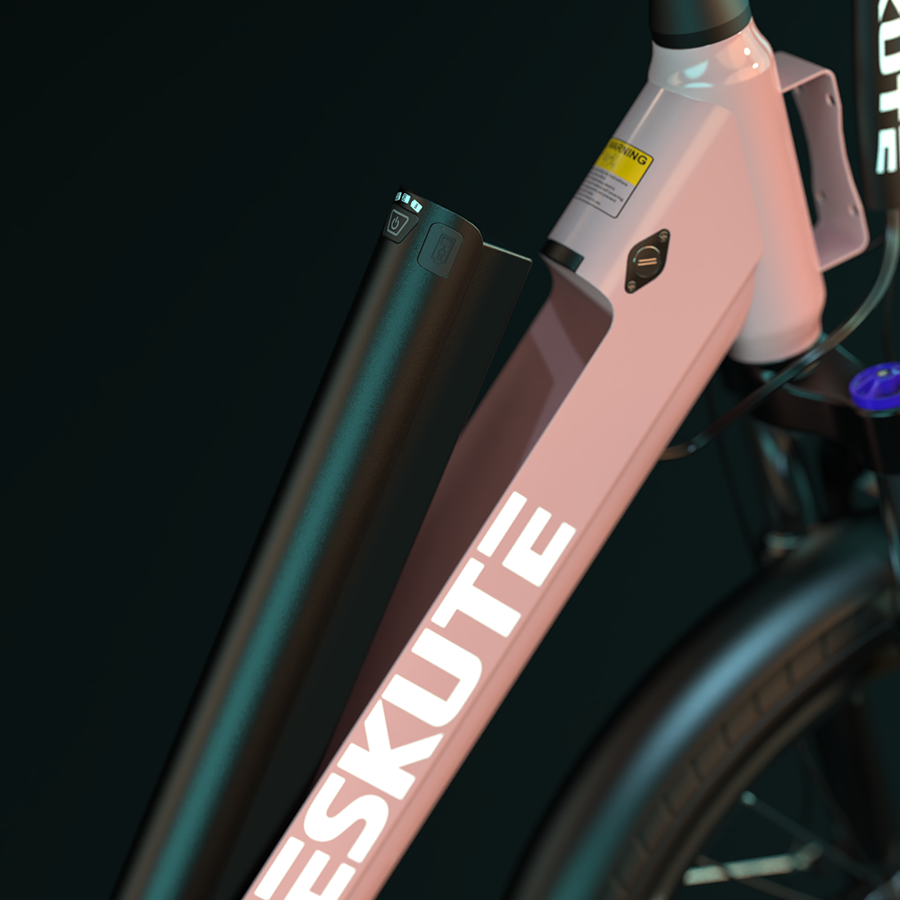
With the popularity of electric bicycles in daily life, more and more people are considering whether to purchase a spare battery. Backup batteries can provide additional endurance during critical moments, but at the same time, they also increase costs and maintenance burdens. This article will explore whether electric bicycles need to purchase a spare battery and analyze its advantages and disadvantages.
The situation where a backup battery needs to be purchased
Long distance commutingRange anxiety: If you need to ride long distances every day, a single battery may not be able to meet your needs. Backup batteries can provide additional battery life when the battery is depleted, avoiding the hassle of charging midway.
Time is running out: In situations where time is tight, a backup battery allows you to quickly replace the battery, continue moving forward, and save charging time.
Frequent use
High frequency use: If you frequently use an electric bicycle every day, the number of charge and discharge cycles of the battery will increase. A backup battery can reduce battery loss and extend battery life.Multi tasking travel: If you need to perform multiple travel tasks within a day, a backup battery can ensure that you have sufficient power at all times.
Special Scene
Outdoor Adventure: During outdoor adventures or long-distance travels, backup batteries can provide additional safety measures to ensure that you can continue moving forward in any situation.Adverse weather conditions: In adverse weather conditions, the performance of the battery may be affected, and backup batteries can provide additional endurance to ensure your travel safety.
The situation where there is no need to purchase backup batteries
Short distance commuting
Short distance travel: If your daily cycling distance is short, a single battery can usually meet your needs without the need to purchase a spare battery.Convenient charging: If you have convenient charging facilities near your home or office, the need for backup batteries will be greatly reduced.
Low frequency usage
Occasional use: If you only use an electric bicycle occasionally and the frequency of using the backup battery is low, purchasing a backup battery may not be cost-effective.Battery life: Low frequency use can reduce the number of charge and discharge cycles of the battery, extend the battery life, and the demand for backup batteries is relatively low.
Economic considerations
Cost burden: The purchase and maintenance costs of backup batteries are relatively high, and for users with limited budgets, it may be necessary to weigh the pros and cons.Maintenance burden: Backup batteries require regular charging and maintenance, which adds an additional burden.
summary
Whether you need to purchase a spare battery depends on your specific needs and usage scenarios. If you need to commute long distances every day, frequently use electric bicycles, or travel in special situations, backup batteries can provide additional range and safety assurance. However, if your daily cycling distance is short, usage frequency is low, or economic budget is limited, the necessity of backup batteries may decrease. Before making a decision, it is recommended that you carefully evaluate your needs and budget, and choose the most suitable solution for yourself.


Share:
Why is ESKUTE Spark X electric bike worth buying?
Why is ESKUTE Spark X electric bike worth buying?