
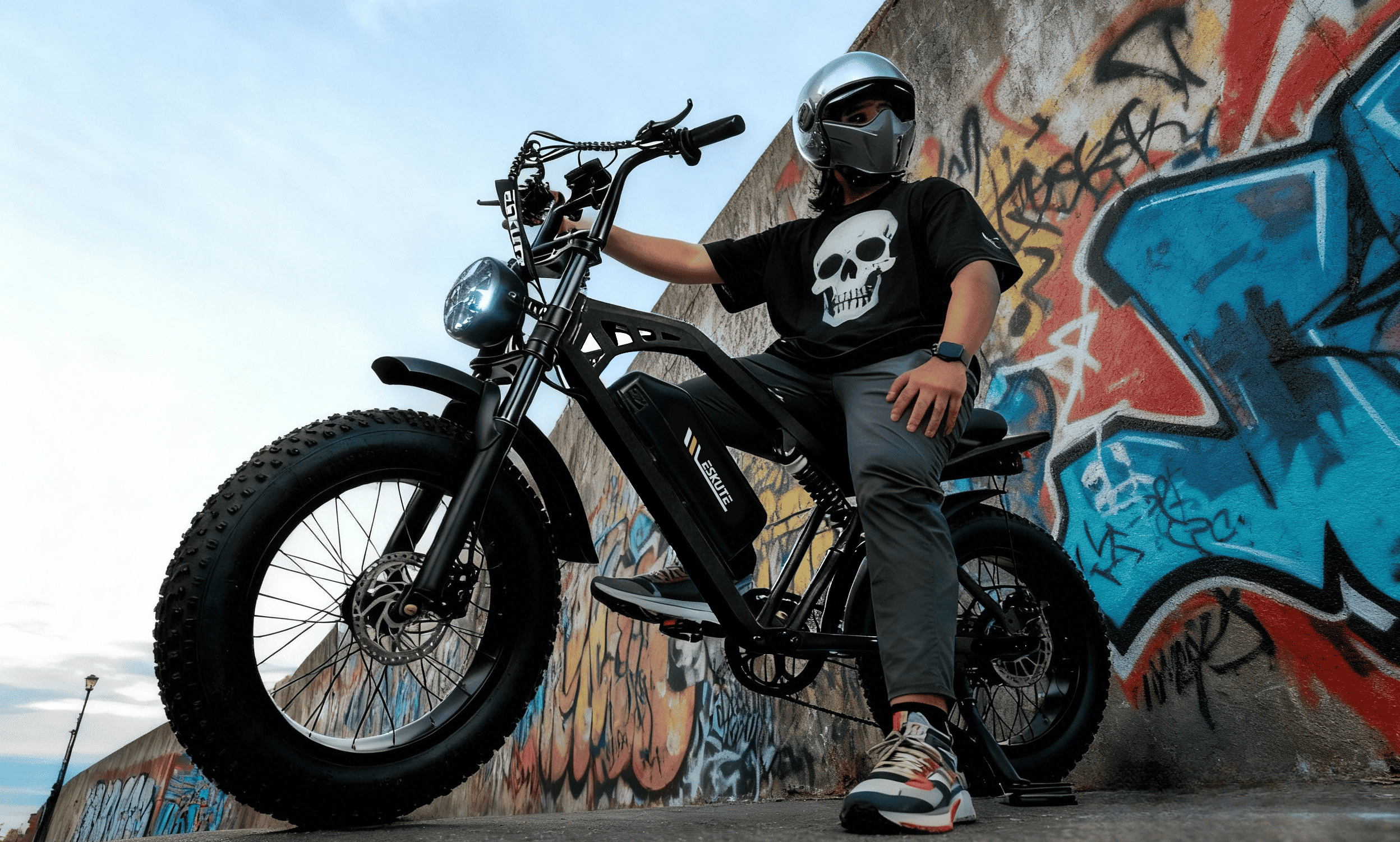
If you're shopping for your kid's first electric ride, you've probably noticed two main categories: electric dirt bikes and electric motorcycles. Electric dirt bikes are designed to handle rough terrain with knobby tires and higher ground clearance, while electric motorcycles focus on street riding with smoother tires and road-oriented features. Understanding these differences will help you pick the right ride for your young rider.
Kids Electric Dirt Bike vs. Electric Motorcycle: Core Differences Explained
Understanding these differences is key to choosing the right ride, as each type is built for specific riding conditions, which affect terrain handling, power delivery, and daily usability.
Riding Purpose and Terrain Types
The biggest difference between these two types of electric rides comes down to where they're meant to be ridden.
Electric dirt bikes for kids are built to tackle unpaved surfaces like dirt trails, gravel paths, and bumpy terrain. They feature aggressive tread patterns that dig into loose surfaces for better traction. These bikes typically have higher ground clearance, which means they can roll over rocks, roots, and ruts with less risk of getting hung up.
That same “where and how you ride” focus also shows up in the bike’s hardware choices—especially whether it includes pedals, which can affect both riding style and how the vehicle may be treated under local rules.
- Models like the V200 electric dirt bike include pedals, which in the U.S. can allow classification as Class 2 or Class 3 electric bikes, providing more flexibility under local e-bike regulations compared with throttle-only vehicles.
- The Nova Mini electric dirt bike, for example, does not include pedals and is designed as an off-road electric dirt bike, closely mimicking the riding posture and control feel of a traditional motocross bike rather than a pedal-assist e-bike.
Electric motorcycles are designed for smoother surfaces. They work best on pavement, bike paths, and well-maintained roads. Their tires have minimal tread, which creates more contact with hard surfaces for better grip on asphalt. The lower ground clearance improves stability on flat surfaces but makes them less suitable for rough terrain.
Power Delivery, Speed, and Control Methods
Electric kids dirt bikes and motorcycles feature motors with varying power outputs depending on the model and riding mode. They are designed to provide predictable performance across different terrains. Some dirt bike models offer twist throttles for instant power, while others include pedal-assist systems with multiple speed modes.
In practice, those differences show up most clearly when you compare peak power, torque delivery, and how the controls translate that power to the ground—two good examples are the ESKUTE V200 and the Nova Mini.
- The ESKUTE V200 uses a brushless motor with a peak output of around 1300W, offering smooth, predictable power that works well for beginners while still handling mixed terrain confidently.
- The Nova Mini dirt bike features a mid-drive motor with a peak output of approximately 3500W and torque of around 220 N·m, delivering strong low-speed acceleration and a riding feel similar to professional off-road motorcycles.
On the other hand, hub motors mounted in wheels or mid-drive motors in some youth motorcycles provide smooth acceleration on pavement and quick throttle response on dirt. Speed capabilities vary widely, with most youth-focused models designed with adjustable limits and mode-based speed control rather than a single fixed top speed.

Tires and Suspension Systems
Tire specifications tell you a lot about what a bike can handle. Electric dirt bikes for kids typically use wider tires with deeper, knobby tread patterns for maximum off-road grip and stronger sidewalls to reduce puncture risk.
Once you know what to look for, it’s easier to see how different tire setups support different riding styles and skill levels.
- The V200’s 20" × 4.0" fat tires create a large contact patch, resulting in excellent stability and confidence, especially for less experienced riders.
- The Nova Mini uses a “mullet” tire configuration, with a 14x3-inch front wheel and 12x3-inch rear wheel, enhancing steering precision while delivering strong rear-wheel traction and acceleration.
Electric motorcycles prioritize agility and responsiveness. Smaller, mixed-size wheel setups improve maneuverability in technical terrain.
Suspension makes a huge difference in ride quality. The best electric dirt bike for kids will have both front and rear suspension systems. Front forks typically offer enough travel for bumps and small impacts, depending on the model. Rear suspension ranges from basic spring systems to advanced nitrogen-filled shock absorbers that maintain performance during extended off-road sessions. Quality rear suspension keeps the rear wheel tracking the terrain, maintaining consistent ground contact and traction through acceleration, cornering, and hill climbs, which translates to more stable and confident riding across varied terrain.

Frame Durability, Weight, and Load Capacity
Frame construction tells you a lot about what a bike can handle. Electric dirt bikes for kids use reinforced steel or aluminum frames designed to withstand impacts and rough handling. They're built tougher because they need to survive drops, jumps, and crashes that come with off-road riding.
The weight difference matters when kids need to pick up a dropped bike or maneuver in tight spaces. Typical dirt bikes weigh more than many street-oriented youth models, and load capacities and seat heights vary by frame size and manufacturer design. Heavier dirt bikes are more stable at speed and on rough terrain, but harder for smaller riders to handle.
Battery Range and Charging Basics
Most electric kids dirt bikes use battery systems that vary by voltage and capacity depending on the model. Larger batteries can provide longer rides under lighter loads, though real-world riding on varied terrain typically delivers noticeably less than “ideal-condition” estimates. Charging times depend on battery size and charger output, rider weight, terrain type, speed, and how much you use throttle versus pedal assist, all of which affect range significantly.
How to Choose the Best Electric Dirt Bike for Kids?
Choosing the right electric kids dirt bike involves evaluating several key factors. Follow these steps to find the perfect match for your young rider.
Age and Height Matching Considerations
Step 1: Measure your child's dimensions
Start by measuring your child's height and inseam. For electric kids dirt bikes, fit depends more on seat height and reach than a single wheel-size-to-height chart, so the bike’s spec sheet matters most.
Step 2: Test seat height
Your child should touch the ground with both feet flat, or at least the balls of their feet, when sitting on the bike. This provides stability when stopping.
Step 3: Check bike weight
If a bike feels too heavy for your child to pick up or maneuver confidently, it might be too heavy to handle safely.

Skill Level and Safety Features
Step 1: Match bike to experience level
First-time riders need adjustable speed limiters. Many electric dirt bikes kids models offer multiple modes that start slower and increase as skill improves.
Step 2: Verify safety features
Prioritize automatic motor cutoff when braking and kickstand sensors that disable the motor when the stand is down.
Step 3: Get protective gear
At minimum, get a properly fitted helmet rated for off-road use. Add knee pads, elbow pads, and gloves for complete protection.
Usage Scenarios and Local Regulations
Step 1: Research local laws
Check your local regulations before buying. Some areas classify electric dirt bikes as motor vehicles requiring registration, while others treat them like bicycles.
Step 2: Identify riding locations
Verify you have access to private property or designated off-road areas. Most places prohibit riding motorized vehicles on public sidewalks or bike paths.
Budget and Maintenance Expectations
Step 1: Set your budget
Quality electric dirt bikes for kids cost anywhere from entry-level pricing to premium pricing, depending on power, suspension, and build quality.
Step 2: Plan maintenance costs
Budget for routine consumables and inspections such as tire pressure checks, brake inspections, chain maintenance, and brake pad replacements.

What Makes These Electric Kids Dirt Bikes Worth Considering?
Electric kids dirt bikes can offer a quieter, simpler ownership experience compared with gas alternatives. They also help younger riders build off-road skills with fewer mechanical distractions.
Noise Levels and Riding Experience
One of the biggest advantages of electric over gas is how quiet they run. Electric dirt bikes kids can ride early in the morning or later in the evening without disturbing neighbors. This opens up more riding opportunities and reduces complaints from people nearby. The quiet operation also helps young riders focus on technique rather than managing engine noise and vibration.
Concentrated Maintenance Requirements
Electric drivetrains have far fewer moving parts than gas engines. There's no oil to change, no air filter to clean, no carburetor to adjust, and no spark plugs to replace. The main maintenance focuses on keeping the battery charged and stored properly, maintaining proper tire pressure, and ensuring the brakes work correctly.
Skill Development Benefits
Learning to ride off-road builds valuable skills. Kids develop better balance, spatial awareness, and risk assessment. They learn to read terrain, judge distances, and react to changing conditions. Electric bikes let kids focus on riding technique without dealing with clutch operation or gear shifting.
Where Can Kids Actually Ride These Things?
Where an electric dirt bike kid can legally ride depends on local rules and the type of land or trail system. Understanding permitted areas ahead of time helps avoid safety issues and prevents avoidable conflicts with property owners or trail policies.
Legal Riding Areas and Management Rules
Legal riding areas vary tremendously by location. If you own land or have permission from a landowner, you can typically ride electric dirt bikes freely. Many states have OHV parks with marked trails for different skill levels. Purpose-built motocross tracks often welcome electric bikes, especially during practice sessions. Before riding anywhere in public, verify current regulations.
Higher Speed Models and Safety Considerations
Bikes capable of higher-speed settings require extra caution. At these speeds, crashes become much more serious. Riders attempting faster machines should have solid basic skills first and always wear full protective gear, including chest protectors and reinforced pants.
Private Land and Designated Trail Systems
Private land riding offers the most freedom but comes with responsibilities. Make sure you have clear permission from the property owner and understand any restrictions they impose. Many communities have trail systems that welcome electric bikes. Always check posted rules, as policies differ between trail systems.
FAQ
Q1. What Protective Gear Is Absolutely Necessary for Riding Electric Kids Dirt Bikes?
A DOT-compliant full-face helmet (FMVSS No. 218) is non-negotiable and should fit snugly without pressure points. Beyond that, motocross-style boots protect ankles from twists and impacts, while knee and elbow pads prevent scrapes and fractures during falls. Gloves improve grip and protect hands. For riders on faster bikes or attempting jumps, add a chest protector and padded riding pants. Quality gear costs vary widely by brand and protection level, but preventing injuries is the priority. Snell’s motorcycle helmet standards (e.g., M2020/M2025 series) are also commonly referenced in safety-certified gear.
Q2. How Do Weather Conditions Affect Electric Dirt Bike Performance and Safety?
Cold weather can reduce battery performance, meaning shorter ride times and less power available. Rain and mud may be manageable if the manufacturer indicates appropriate water-resistance, but wet conditions drastically reduce traction and braking performance. Avoid riding in heavy rain or through deep puddles that might submerge electrical connections. Extreme heat can stress batteries and motors, so take breaks in shade on hot days.
Q3. Can Kids Ride Electric Dirt Bikes Alone Without Any Training?
The answer is no. Take the Nova Mini as an example: with a peak motor output of 3500W and 200N·m of torque, power delivery is immediate, leaving riders with minimal reaction time. For children without prior experience on moped-style e-bikes, this transition can be dangerous. Kids may struggle to control such powerful motors effectively. Parental supervision is essential during initial rides. Children should gradually acclimate to the bike's performance characteristics through supervised practice sessions before attempting solo rides. Starting with lower power settings and progressively building skills in controlled environments helps young riders develop the muscle memory and judgment needed to handle these high-performance machines safely.
Conclusion: Start Your Child's Off-Road Journey Safely
Choosing the right electric ride depends on where your child will ride most. Dirt bikes excel on trails with robust suspension and knobby tires, while motorcycles suit paved riding. Match the bike to your child's size and skill level, check local regulations, and budget for quality safety gear. Start with proper equipment and supervision for years of safe riding experience.


Share:
Rainy Commute Guide for Commuter E-bikes: Traction, Braking, and Water Protection
Stuck in Traffic? When an Electric Trike Beats a Car for Convenience