
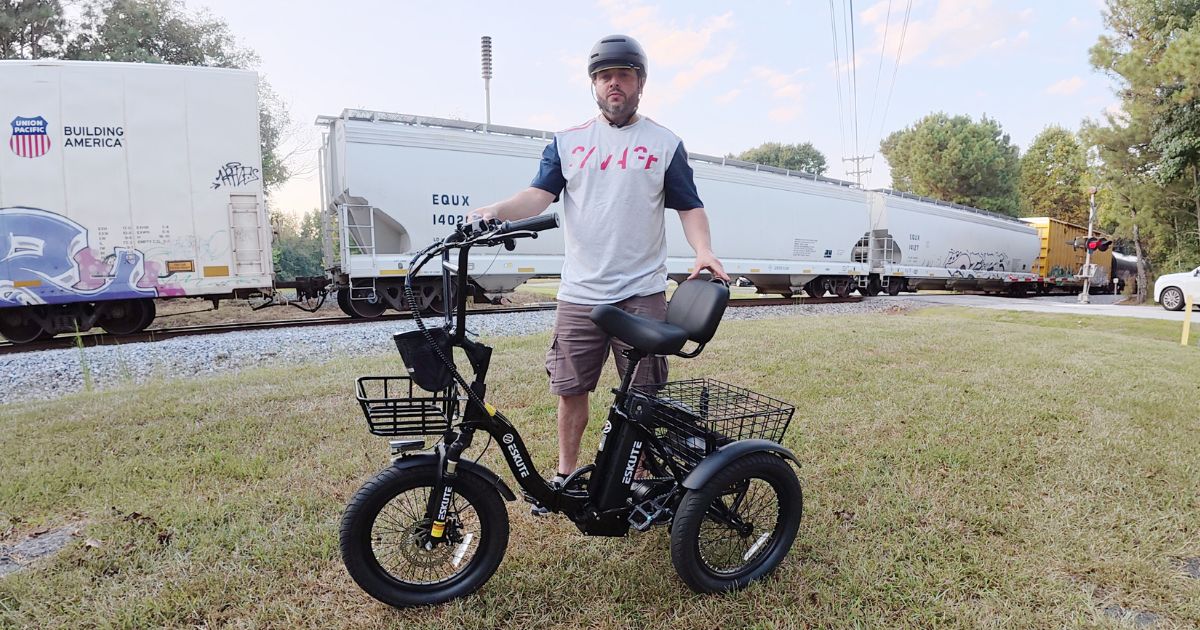
Riding a three wheel electric bike for the first time feels different from anything you've tried before. The extra wheel changes how you turn, brake, and park. With a little preparation, the learning curve is shorter than most people expect. These six practical tips will help you ride more confidently and safely from day one.
Tip 1: Slow Down Before You Turn, Not While Turning
Turning is where most beginners feel the biggest difference on a three wheel electric bike for adults. On a standard two-wheel bike, you lean into curves naturally. On a trike, your body stays upright. You steer by turning the handlebars, not by shifting your weight.
Don't Lean, Just Steer
The habit to build is simple: reduce your speed before the corner, then steer smoothly. Going into a turn too fast can feel unsettling. Ease off the throttle early, and the turn becomes easy.
How a Rear Differential Makes Corners Easier
On a trike without a differential, both rear wheels spin at the same speed. Through a corner, that forces the inner wheel to drag and skip instead of rolling freely. The result is a stiff, awkward turn that can tip the trike if you go too fast or hit an uneven patch.

Both the Eskute T300 and T300 Pro include a rear differential. It lets each rear wheel spin at its own speed through a corner, so the trike follows the curve smoothly instead of fighting it. Turns feel natural, the ride stays stable, and the risk of tipping is much lower. For first-time riders, that extra confidence makes a real difference.
Tip 2: Pay Attention to Your Rear Wheel Width Before Passing Through Gaps
Once you've settled into turning, width becomes the next thing to watch. A three wheel electric bike is noticeably wider than a two-wheel bike, especially at the rear. That width is easy to forget when your focus is on what's ahead.
Narrow Gaps Catch You Off Guard
Gates, fences, parked cars, and narrow driveways can all catch you off guard. Before squeezing through any tight space, slow down and check that both rear wheels will clear it. This becomes second nature with time, but early on it takes conscious effort.
Secure Your Cargo Before Every Ride
The Eskute T300 and T300 Pro both feature large rear cargo baskets and offer impressive total payload capacities (rider plus cargo) of 400 lbs and 450 lbs, respectively. That's impressive carrying power. But loose items shift during turns and can affect how the bike handles. Before setting off, make sure everything in the basket is properly tied down or contained.

Tip 3: Use the Parking Brake Whenever You Stop on a Slope
Hills add a layer of challenge that flat-ground practice won't prepare you for. A loaded trike can roll on even a gentle incline if the wheels aren't locked. This is where the parking brake matters.
A Small Habit With Real Consequences
Both the Eskute T300 and T300 Pro include a parking brake. A small lever on the handlebar locks the wheels in place. Engage it before stepping off, and the bike stays put. It's a quick motion, but skipping it on a hill can lead to a runaway trike.
Other Times to Use the Parking Brake
The parking brake is also useful when loading or unloading heavy cargo on a grade. Even a modest slope can cause movement under a full load. Make it part of your regular stop routine, not just something you remember after the bike starts rolling.
Tip 4: Apply Front and Rear Brakes Together for Controlled Stops
Braking on a three-wheeled electric bike needs a bit more intention than on a two-wheeler. Relying too heavily on just one brake can cause the bike to pull slightly off line, especially on loose or wet surfaces.
Even Pressure, Better Control
The principle is straightforward. Apply both brakes at the same time with similar pressure. This spreads the stopping force across more contact points and keeps the bike tracking straight.
Why Fat Tires and Disc Brakes Work Well Together

The Eskute T300 uses 18" x 3.0" fat tires, while the T300 Pro steps up to 20" x 4.0". Both models are equipped with responsive disc brakes. Fat tires offer more road contact, which improves grip during braking. The disc brake system responds quickly without needing heavy hand force. Together, they deliver solid stopping power.
|
Feature |
Eskute T300 |
Eskute T300 Pro |
|
Tire Size |
18" x 3.0" |
20" x 4.0" |
|
Max Load Capacity |
400 lbs |
450 lbs |
|
Rear Differential |
Yes |
Yes |
|
Parking Brake |
Yes |
Yes |
|
Brake Type |
Disc Brakes |
Disc Brakes |
Tip 5: Practice Basic Maneuvers in a Low-Traffic Area Before Your First Real Ride
All the tips above are easier to absorb when you're not navigating traffic at the same time. Before heading out on real roads, give yourself a proper practice session first.
Find an empty parking lot or a quiet, flat street. Run through some basics: wide turns, tight turns, gradual stops, and stopping on a slight slope. Ten to fifteen minutes of focused practice goes a long way. You'll quickly get a feel for how the bike responds and where your instincts need adjusting. There's no substitute for seat time in a low-stakes environment.
Tip 6: Build a Simple Pre-Ride Routine to Avoid Problems Mid-Ride
Good habits before you leave matter just as much as good technique on the road. A quick check takes less than two minutes and can prevent issues that are much harder to deal with once you're out.
Tire Pressure Affects More Than Ride Feel
Low tire pressure makes the bike harder to steer and reduces braking efficiency. Fat tires hold their shape well, but they still lose pressure gradually over time. Check them before longer rides, and top them up as needed.
Plan Around Your Battery Range
Check your battery level before leaving. Charge fully the night before if you're planning a longer outing, or at minimum check the display to understand your available range. Running low on power far from home on a heavy cargo trike is a situation worth avoiding with a simple two-second check beforehand.
Start Riding Today
Three wheel electric bikes for adults offer real freedom, whether you're running daily errands or simply enjoying a relaxed ride. With the right habits around turning, braking, cargo, and pre-ride checks, your early rides will feel much smoother.

FAQs
Q1: How Do You Turn Safely on a Three Wheel Electric Bike?
Turning safely is straightforward once you adjust your approach. Reduce speed before entering the corner, then steer using the handlebars rather than leaning your body. Models with a rear differential, like the Eskute T300 and T300 Pro, make turns tighter and more stable by allowing each rear wheel to rotate independently.
Q2: Can You Ride an Electric Trike in Rain or Snow?
Yes, with the right precautions. The Eskute T300 and T300 Pro are rated IP54, meaning they can handle rain and light splashing without damage to the motor or electrical components. The fat tires grip wet and soft surfaces well, where narrower tires would slip or sink. And if the weather turns bad, the foldable frame lets you fold the trike and store it on a balcony or indoors in minutes, rather than leaving it out in the rain.
Q3: What Is the Parking Brake on an Electric Trike Used For?
The parking brake holds the bike in place when stopped on a slope. Without it, a loaded trike can roll on even a gentle incline. On the Eskute T300 and T300 Pro, a small lever on the handlebar engages the lock. It's simple to use and an important part of safe hill parking.
Q4: How Should You Brake on a Three Wheel Electric Bike?
Apply even pressure to both front and rear brakes at the same time. Relying on just one can pull the bike slightly off course. The disc brakes on the Eskute T300 and T300 Pro are responsive and easy to modulate, which makes developing a smooth, balanced braking habit easier for new riders.
Q5: How Wide Are Electric Three Wheel Bikes for Adults?
Width varies by model, but most electric three wheel bikes for adults are noticeably wider than standard bicycles, particularly at the rear axle. The Eskute T300 and T300 Pro feature large rear cargo baskets that add to the overall footprint. Always check rear clearance before passing through gates, doorways, or tight gaps.


Share:
Electric Dirt Bikes: Street Legality, Regulations & Rider Guide
Electric Dirt Bike Chain Maintenance: Keep Your Ride Running Like New