
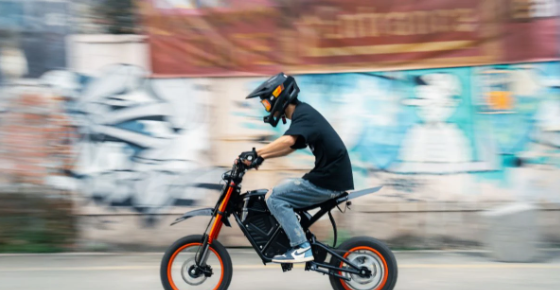
Electric Dirt Bikes and Street Use
Electric dirt bikes are gaining traction with riders who want a mix of power, off-road capability, and low maintenance. Models like these have sparked growing interest—and with that comes a common question: can an electric dirt bike, or similar e-bike, actually be ridden on public roads?
In most cases, it depends on local regulations. Electric dirt bikes are generally built for off-road use, and many do not automatically meet street-legal standards unless they’re modified or officially approved for road use.
What Does “Street Legal” Mean?
In the United States, a vehicle is considered street legal only if it meets federal safety standards and the registration requirements set by the state where it’s used. This usually means having the proper equipment needed to operate safely in traffic and on public roads.
Electric dirt bikes, however, are designed specifically for off-road riding—such as trails, private land, and other non-public areas. They are not equipped with road-required features like turn signals, mirrors, or DOT-approved tires, and they are not marketed or intended for street use.
Common Street-Legal Requirements by State
Regulations can differ from state to state, but converting an electric dirt bike for road use generally requires adding several key components and meeting legal standards, such as:
- DOT-compliant lighting, including a headlight, taillight, and brake light
- Rearview mirrors, a horn, and a speedometer displaying MPH
- Street-approved tires with proper tread and DOT certification
- Turn signals, reflectors, and a properly lit license plate mount
- VIN verification, registration documents, and valid liability insurance
In certain states, such as California and New York, additional rules may apply. These can include stricter noise regulations or requirements for installations to be completed or inspected by certified professionals.
Can Electric Dirt Bikes Be Converted?
Some riders may look into modifying their bikes for on-road use, but manufacturers generally do not offer or support any street-legal conversion kits. Electric dirt bikes are designed specifically for off-road performance and do not meet the requirements for legal road use.
Any modifications for street legality are made at the rider’s own discretion, and it is their responsibility to ensure full compliance with all local and state regulations.
Important Notice
Please be aware that electric dirt bikes are intended for off-road use only. Riders are solely responsible for understanding and following all applicable local, state, and federal regulations. Manufacturers assume no liability for any issues arising from improper use or unauthorized modifications.
State-Specific Legal Differences
Regulations vary by state. The table below provides a general overview of requirements in selected states:
| State | VIN Check | Insurance Required | Noise Limit |
|---|---|---|---|
| California | Yes | Yes | 96 dB |
| Texas | No | Yes | No limit |
| New York | Yes | Yes | 82 dB |
| Arizona | No | Varies | 96 dB |
| Oregon | Yes | Yes | Moderate |
| Florida | Yes | Yes | 96 dB |
| Illinois | Yes | Yes | 90 dB |
| Pennsylvania | Yes | Yes | 88 dB |
| Iowa | Yes | Yes | No limit |
| Colorado | Yes | Yes | 86 dB |
Note: Always verify the latest requirements through your local DMV or state vehicle code, as regulations may change.
What About Insurance?
Even when a dirt bike has been properly modified for road use, insurance is typically required before it can be registered for street riding. Requirements vary by state—some only mandate basic liability coverage, while others may also require additional protection such as personal injury or property damage coverage.
Major insurance providers, including Progressive, Geico, and Allstate, offer policies designed for powersports and electric bikes. However, riders should always confirm that any aftermarket modifications or conversion parts are fully covered under their selected plan.
Final Thoughts
Electric dirt bikes are built to deliver strong performance and an exciting off-road riding experience. Regardless of the model, these bikes are designed exclusively for off-road environments and are not intended for street use.
If any rider decides to pursue modifications for road legality, they must ensure full compliance with their local state regulations and take complete responsibility for those changes.
Safe and legal riding always starts with understanding the rules and using the bike in the way it was originally designed.


Share:
Can You Ride an Electric Trike After a Stroke or Mobility Setback
6 Practical Tips for First-Time Three-Wheel Electric Bike Riders